 5070 Peachtree Blvd. Suite E150

Can Orthodontics Prevent the Need for Jaw Surgery?
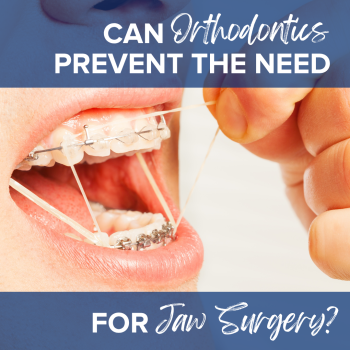 Jaw surgery, or orthognathic surgery, is often recommended to correct severe bite problems and jaw misalignment. While sometimes necessary, it’s an invasive procedure that requires significant recovery time and carries surgical risks. However, thanks to advancements in orthodontics and early intervention strategies, you can now avoid jaw surgery altogether. With the right approach at Chamblee Orthodontics , orthodontic treatment can help guide your jaw growth and alignment, especially when started at a young age.
So, is jaw surgery always inevitable for severe bite or jaw issues? Not necessarily. In this blog, Dr. Ceneviz at Chamblee Orthodontics explores how orthodontics plays a key role in preventing the need for jaw surgery and what treatment options are available.
Understanding Why Jaw Surgery Is Sometimes Needed
Jaw surgery is typically recommended in cases of skeletal discrepancies, where the upper and lower jaws don’t grow at the same rate or are misaligned. This can result in conditions such as:
- Severe overbites or underbites
- Open bites (when the front teeth don’t touch when the mouth is closed)
- Crossbites that cause facial asymmetry
- Problems with chewing, speaking, or breathing
- Temporomandibular joint (TMJ) disorders
For adults, where jaw growth is complete, these issues may require surgery because bones are no longer malleable. But for children and adolescents, there’s a window of opportunity to correct jaw alignment before surgery becomes necessary.
How Orthodontics Can Help Avoid Jaw Surgery
Orthodontic treatment isn’t just about straightening teeth—it’s also about guiding the growth and development of the jaws, especially in younger patients. Early detection of skeletal or bite issues gives orthodontists at Chamblee Orthodontics a chance to correct the problem before it becomes severe.
1. Early Orthodontic Intervention (Ages 7–12)
Early or interceptive orthodontics focuses on monitoring and guiding jaw development during childhood. At this stage, the jawbones are still growing, which makes them easier to shape. By correcting jaw discrepancies early, orthodontists can often eliminate the need for surgery later in life.
2. Orthotropics and Facial Growth Guidance
Orthotropics is a lesser-known but powerful method that focuses on improving facial structure and jaw alignment by encouraging proper oral posture and growth patterns. The idea is to correct the underlying causes of jaw misalignment—like chronic mouth breathing or poor tongue posture—through techniques that guide the face to grow naturally into the correct position.
3. Functional Appliances
Appliances like Herbst, Twin Block, or MARA are designed to reposition the lower jaw in growing patients. These devices work by encouraging forward growth of the jaw if you have underdeveloped mandibles (lower jaws), thus improving alignment over time without surgery.
4. Braces and Aligners in Adolescents and Adults
In older teens and adults, braces and clear aligners may still prevent surgery in mild to moderate cases. They can correct dental misalignments, improve bite function, and shift the position of teeth to mask minor skeletal discrepancies. However, if the underlying issue is severe skeletal misalignment, braces alone may not suffice.
That’s why orthodontic evaluation during childhood is key. Waiting too long may close the door on non-surgical options.
Jaw surgery may seem like the only solution for severe bite problems, but it’s not always necessary. With early evaluation and proactive orthodontic care, you can achieve healthy, properly aligned jaws without going under the knife. If you’re concerned about your or your child’s jaw alignment, don’t wait. Schedule a consultation at Chamblee Orthodontics to explore your options and possibly prevent the need for jaw surgery altogether.
Disclaimer: The content of this blog is not intended to be a substitute for professional medical advice, diagnosis, or treatment. Always seek the advice of qualified health providers with questions you may have regarding medical conditions.


