5070 Peachtree Blvd. Suite E150

When Is Jaw Surgery Necessary?
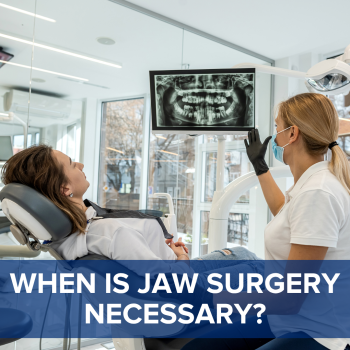 Jaw surgery, also known as orthognathic surgery, is a procedure designed to correct skeletal irregularities in your jaw and facial structure. It’s often seen as a last resort if you have severe bite issues or jaw misalignment that can’t be corrected through orthodontics alone. But is jaw surgery always necessary? Not necessarily.
Advancements in orthodontic treatments at Chamblee Orthodontics have allowed many patients to avoid surgery by addressing jaw misalignments early, providing a more non-invasive approach to achieving a functional, aligned jaw. In this blog, Dr. Ceneviz at Chamblee Orthodontics explores when jaw surgery is necessary, how to recognize when you need it, what it solves, and how orthodontic treatment can potentially help avoid it.
What Is Jaw Surgery?
Jaw surgery refers to procedures that correct structural problems with your upper jaw (maxilla), lower jaw (mandible), or both. These procedures aim to realign your jaws and improve bite function, facial appearance, and overall oral health. While jaw surgery is often seen as a solution to address problems like overbites, underbites, crossbites, and open bites, it is an invasive procedure that carries risks such as complications with anesthesia, infections, and extended recovery periods.
How Do You Know If You Need Jaw Surgery?
Jaw surgery is recommended when the misalignment of the jawbones significantly interferes with daily functions or causes pain. Signs that you may need jaw surgery include:
- Difficulty chewing, swallowing, or speaking
- Chronic jaw pain or discomfort
- Severe underbite or overbite
- Facial asymmetry or visible jaw misalignment
- Breathing problems, such as snoring or sleep apnea
- TMJ disorders that cause clicking or popping in the jaw joint
If you experience any of these issues, it’s essential to consult with an orthodontist or oral surgeon to determine if jaw surgery is needed.
How Can Orthodontics Help Avoid Jaw Surgery?
While jaw surgery is sometimes necessary, it is often avoidable through early orthodontic intervention. For children and teens, early treatment (usually between the ages of 7–12) can help guide the development of the jaw and reduce the need for future surgery. Key orthodontic treatments that can prevent jaw surgery include:
- Palatal Expanders: These appliances widen your upper jaw and help correct crossbites or narrow jaws before they become more problematic.
- Growth Appliances: Devices like Herbst or MARA can help reposition your lower jaw, allowing your teeth to align naturally as the jaw grows.
- Braces and Clear Aligners: In some cases, braces or clear aligners can help realign your teeth and address bite problems that would otherwise require surgery.
By correcting bite issues early on, orthodontics can sometimes help you avoid the need for more invasive surgery.
Key Benefits of Avoiding Jaw Surgery
If jaw surgery can be avoided, it offers several distinct benefits, including:
- Lower Cost: Surgery can be expensive and may not always be covered by insurance, whereas orthodontics is typically more affordable.
- Reduced Risk: Surgery carries risks such as complications from anesthesia, infection, and prolonged recovery times. Avoiding it means fewer medical risks.
- Quicker Recovery: Non-surgical treatments, like braces and expanders, allow for faster recovery and less disruption to daily life.
- Emotional Comfort: Skipping surgery helps alleviate stress and fear for patients and their families, as surgery can be daunting.
If you or your child is experiencing jaw misalignment or functional difficulties, it’s crucial to consult with Chamblee Orthodontics as early as possible. With the right treatment plan, surgery can often be avoided, leading to a healthier, more comfortable smile without the need for invasive procedures.
Disclaimer: The content of this blog is not intended to be a substitute for professional medical advice, diagnosis, or treatment. Always seek the advice of qualified health providers with questions you may have regarding medical conditions.